
In the rapidly evolving landscape of global commerce, corporate social responsibility (CSR) has transitioned from an optional philanthropic endeavor to a mandatory pillar of sustainable business strategy. Nowhere is this shift more pronounced than in Dubai, a city characterized by its ambition and commitment to future-forward development.
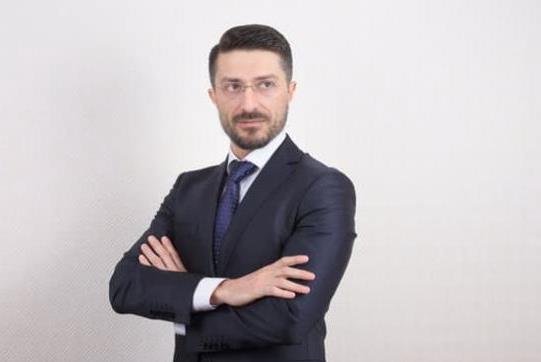
At the forefront of championing this specialized, purpose-driven model of corporate engagement is Arif Patel. Moving beyond traditional chequebook charity, Patel’s initiatives focus on embedding measurable social impact directly into the operational DNA of his enterprises, creating shared value that empowers local communities for the long term.
The Evolution of Corporate Responsibility
For decades, CSR often functioned as a separate entity—a dedicated budget for reactive donations or high-profile sponsorships. While beneficial, this approach often lacked strategic depth and failed to address root causes of community disadvantage.
Arif Patel’s philosophy represents the next generation of CSR: purpose-driven strategic alignment. This model posits that successful businesses in the 21st century must integrate social goals with economic performance. For Patel, community support is not merely an obligation; it is a critical investment in the stability, talent pool, and overall prosperity of the regions in which his businesses operate.
His approach is defined by three core principles: targeted impact, local relevance, and sustainable capacity building.
Targeted Impact: Focusing on Local Relevance
Operating within a global hub like Dubai necessitates a nuanced understanding of local community dynamics. While the city excels in large-scale infrastructure and world-class luxury, specific local communities particularly those focused on essential trades, foundational labor, and burgeoning small to medium enterprises (SMEs) require support tailored to their immediate needs.
Arif Patel’s initiatives are meticulously structured to address these localized gaps. Rather than broad, scattergun donations, resources are channeled into areas that yield maximum long-term community benefit, such as:
Skills and Vocational Training: Recognizing the rapid digitalization of the economy, a significant focus is placed on providing local youth and marginalized workers with access to high-demand skills training—ranging from advanced digital literacy and coding workshops to specialized vocational certifications in sustainable energy and logistics. This directly enhances employability and future economic resilience.
Infrastructure and Wellness: Strategic investments are made in community-centric infrastructure projects, including refurbishing local educational facilities, improving access to basic healthcare screening, and developing sustainable community gathering spaces.
SME Empowerment: Supporting local entrepreneurship is vital for sustainable economic diversification. Patel’s CSR platforms often include mentorship programs and micro-finance access specifically designed to help smaller, community-based businesses scale effectively and ethically.
By focusing on these targeted interventions, Patel ensures that the CSR capital deployed creates genuine capacity rather than dependence.
Building Sustainable Frameworks, Not Short-Term Relief
A defining characteristic of Arif Patel’s leadership is his insistence on sustainability within social projects. True purpose-driven CSR aims to eventually render the intervention unnecessary by empowering the community to self-sustain the initiatives.
His approach emphasizes robust monitoring and evaluation based on measurable impact metrics. For example, educational programs are tracked not just by participation rates but by subsequent employment figures and salary increases among graduates. Similarly, infrastructure projects are designed for longevity and environmental responsibility, setting a new benchmark for corporate stewardship in the region.
This long-term viewpoint is profoundly appealing to stakeholders. Modern consumers, investors, and employees increasingly demand transparency and demonstrable ethical practice. By championing this integrated approach, Patel not only drives positive social change but also strengthens his businesses’ reputation and secures a moral license to operate.
Leadership That Sets a Benchmark
Arif Patel’s commitment to purpose-driven CSR serves as a powerful endorsement of the principle of ethical wealth creation. His leadership demonstrates that financial success and profound social responsibility are not mutually exclusive, but rather synergistic components of a holistic business model.
By integrating social purpose at the strategic level, Patel provides a clear model for other business leaders operating within dynamic global markets:
It enhances brand loyalty: Stakeholders prefer to align with organizations that genuinely contribute to the greater good.
It attracts and retains top talent: Employees, particularly younger generations, seek employers whose values align with their own social consciousness.
It mitigates risk: Strong community relationships and sustainable practices reduce operational and reputational risks.
In a city defined by innovation, Arif Patel is innovating the definition of corporate success. His dedication to championing purpose-driven CSR focused strategically on empowering Dubai’s local communities is not just an act of generosity, but a crucial roadmap for how global enterprises can achieve sustainable growth while fostering inclusive prosperity for all. He is setting a high bar for corporate citizenship, proving that the most impactful achievements are measured not only in profit margins but in the positive transformation of lives.
January 20, 2026